- Intelligent Manufacturing
 Intelligent ManufacturingSmart ManufacturingSmart Manufacturing Experts, Rooted in the Production Floor.
Leveraging our group's extensive multi-factory experience, we have refined practical smart manufacturing solutions that solidify management and improvements through digitalization.
 Product ServicesFeatured Recommendations
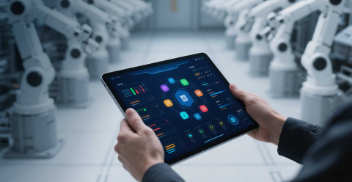 HuiPulse APS Supply Chain Resource Planning and Scheduling PlatformDriven by on-site needs and business-centric, we precisely address the production-sales coordination and delivery challenges faced by manufacturing enterprises!
 S&OP Production and Sales Collaboration Planning SystemIntegrate the entire process of demand, supply, production, and delivery to achieve supply-demand balance, capacity optimization, and agile decision-making.
 SCP Supply Collaboration Planning SystemConnect the demand, inventory, supply, and production collaboration links to achieve complete kit assurance, inventory optimization, and supply resilience.
 DPS Advanced Production Scheduling SystemDynamically coordinate human, machine, and material resources to quickly respond to order changes, improving capacity utilization and on-time delivery rates.
 - Automotive ElectronicsAutomotive ElectronicsAutomotive ElectronicsCovering comprehensive testing capabilities throughout the entire automotive electronics workflow. Leveraging years of expertise in in-vehicle electronics testing, we provide hardware and software development, testing equipment/services, and customized solutions.Product ServicesFeatured Recommendations
 Automotive Electronics Testing ServicesCovering 4 levels and 8 dimensions, it comprehensively perfects the testing system and process to ensure testing quality.
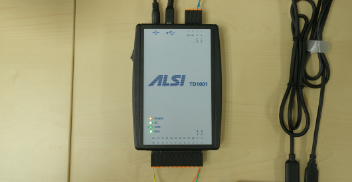 CAN/LIN Bus Enterprise Standard Compliance Test KitRegarding acceptance criteria, reduce rework, allowing OEMs to accept with greater confidence and suppliers to submit with greater peace of mind.
 ECU HIL Simulation Test PadUniversal Vehicle Body Electronic Environment Simulation System, versatile for multiple uses, rapid screening, ensuring "zero" defects in products.
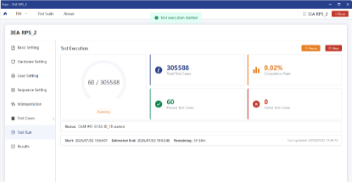 CAN Communication Fuzzing AppEfficient, precise, and comprehensive. Your on-the-go vehicle communication security testing expert.
 - Application Scenarios
- Case Example
- Talent ProgramTalent ProgramTalent Development ProgramRespect and empower talent – this is ALSI’s commitment.
Through systematic development programs, a robust mentorship system, and cross-team collaboration, every member is guaranteed a clear development path and growth opportunities.Talent Program - About ALSIAbout ALSIAbout ALSIOriginating from a global manufacturing group, we leverage technology and expertise to create long‑term value for businesses.
By solving challenges in both operations and on‑site practices, we collaborate with customers to achieve continuous improvement and growth.


 400 676 5650